
Key Takeaways
- This article is for established SMEs (3+ years trading, existing website and customers) ready to move from “visible” to “dominant” in local search results.
- Local SEO for SMEs is about attracting the right local customers, not just more traffic, and should connect with broader SEO, paid search, email, and social campaigns.
- Google Business Profile, online reviews, local content, and local citations are the four levers that most quickly increase calls, footfall, and enquiries.
- Consistent name address phone number data, strong mobile UX, and tracking calls and directions are non-negotiables for local SEO success in 2026.
- The article includes practical checklists, 2025–2026 data, case scenarios, and a FAQ at the end.
Introduction: Why Local SEO Matters More Once You’re Established
Local search engine optimization is not just a “getting started” tactic. For established SMEs with years of trading history, local SEO is a growth and efficiency lever that turns your existing reputation into measurable results. It improves how your business appears in Google Maps, the local pack, and organic search results so you win more profitable, nearby customers.
The scale of local search is hard to ignore. 86% of people discover local businesses through maps, and 78% of mobile local searches result in an offline purchase. Eight in ten US consumers search for a local business online at least weekly. Local SEO helps small businesses compete with larger chains by capturing high-intent searches right when potential customers are ready to act.
Established SMEs face different challenges than startups: legacy websites, mixed online reviews, inconsistent data across local directories, and stronger local competition. Startups need to focus on building foundational visibility in local SEO, but your priority is dominance and conversion. Later sections connect local SEO with paid search, email, social, and offline activity to show how these channels work together to attract the right people.

What Is Local SEO for SMEs – And How Is It Different When You’re Already Known?
Local SEO for SMEs specifically targets businesses with an existing customer base, years of trading history, and some digital footprint. Local SEO differs from traditional SEO in its focus on geographic relevance: proximity, “near me” intent, Maps results, and emphasis on reviews and NAP consistency all matter more than raw domain authority.
Most established SMEs already rank for brand searches but underperform for high-intent local queries. Searching “accountant in Leeds” versus your brand name reveals very different search rankings. Local SEO increases visibility among local audiences for those non-branded, high-intent terms. A strong local online presence builds trust with potential customers who don’t yet know your name.
Priority | New Business | Established SME |
|---|---|---|
Focus | Build foundational presence | Dominate competition, refine conversion |
Google Business Profile | Claim and fill basics | Full optimisation, remove duplicates, active engagement |
Reviews | Generate first 10–20 | Volume, recency, response policies, marketing use |
Website | Basic pages | Localised content, service area pages, schema |
Citations | Get listed | Fix inconsistencies, clean legacy data |
Links & PR | Earn first local links | Strategic partnerships, sponsorships, media coverage |
Core components expanded below: google business profile optimisation, on-site local signals, citations, reviews, and local link building.
Local SEO vs Wider Visibility: How It Fits with Your Overall Marketing
Local SEO sits alongside broader SEO, paid search, email marketing, and social media as part of a unified visibility strategy. A typical established SME scenario looks like this: branded PPC campaigns, some generic SEO, active social channels, but weak local search visibility.
Local SEO improves the performance of other channels by capturing ready-to-buy, nearby prospects. Compared to traditional advertising methods, local SEO puts your business in front of people actively searching. Here’s how it connects:
- Supporting sales teams: local search visibility means warm leads arrive already informed about your services and location.
- Feeding email lists: local leads captured via website visits and enquiries become targeted traffic for email campaigns.
- Coordinated messaging: aligning your google business profile posts with social promotions and email offers creates consistent local relevance.
- Attracting customers who convert: the goal is high-intent local customers, not vanity metrics.
Auditing Your Current Local Search Presence
Before investing in local SEO strategies, benchmark where you stand today:
- Search your brand name + town on google search and check your presence in the local pack.
- Search 3–5 core service terms (e.g., “emergency plumber [city]”) and note where your business appears.
- Review google search console for local search queries, location reports, and conversion data.
- Check Google Analytics 4 for local traffic patterns, bounce rates from mobile users, and goal completions.
Common issues found in audits include duplicate profiles, old addresses, inconsistent opening hours, mixed NAP data, and thin local content. Document findings in a spreadsheet to prioritise your local SEO efforts over the next 3–6 months.
Optimising Google Business Profile for Established SMEs
Your google business profile is the primary local search asset for most local businesses in 2026. Optimizing Google Business Profile improves local visibility and directly influences whether you appear in the map pack. Established SMEs often already have a profile, but it’s incomplete, outdated, or poorly categorised.
Claiming, Cleaning Up, and Securing Your Profile
Start by claiming or regaining access to your existing profile via postcard, phone, or email verification. Verified Google Business Profiles rank higher in local search results, so this step is non-negotiable.
Handle legacy or duplicate profiles by requesting merges or removals. Enable two-factor authentication and centralise account ownership under a business-controlled Google account. Document profile logins for internal teams and agencies to avoid lockouts during staff changes.
Profile Details, Categories, and Visuals that Drive Conversions
When optimising your google business profile, ensure your business name matches real-world signage – no keyword stuffing. Select a precise primary category and only relevant secondary ones, following Google’s category guidelines.
Write a locally optimised business description highlighting services, locations, and differentiators. Upload recent, high-quality photos and short videos: exterior, interior, team, and key services. Use products and services features, appointment URLs, and UTM tracking on links. Include accessibility information, parking details, and other attributes that help mobile users decide quickly.
Using Posts, Q&A, and Messaging to Attract the Right People
Google Business Profile allows businesses to post updates and promotions through regular Google Posts tied to seasonal campaigns, offers, and local events. Integrate posts into your broader content and campaign calendars – match email and social promotions in the same week.
Enable messaging with clear response-time expectations. Monitor and seed Q&A with genuine questions about services, pricing, parking, and service areas. These interactive features help pre-qualify leads and reduce irrelevant enquiries.
Strengthening Website Foundations for Local Search
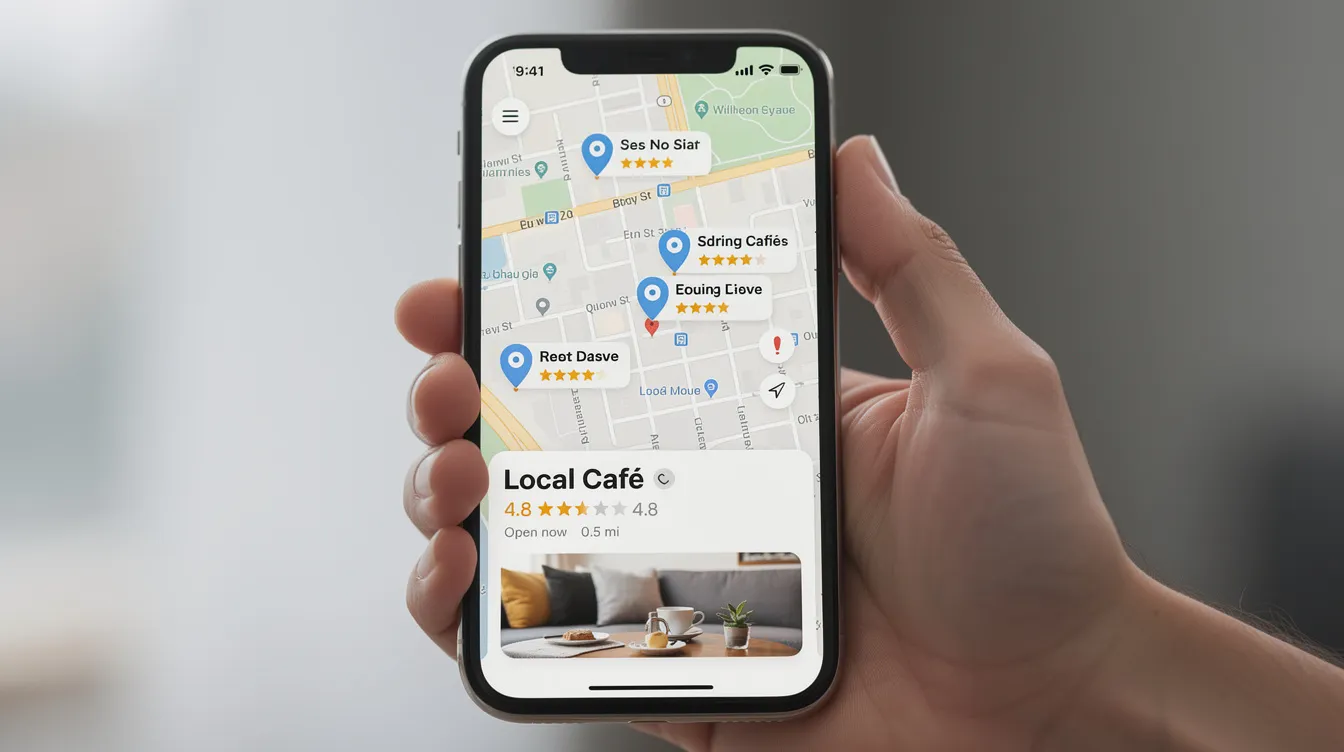
Even with a strong GBP, the website remains the core of a successful local SEO strategy. Mobile optimization is crucial as many local searches occur on smartphones. Prioritise mobile responsiveness, fast loading on 4G, secure HTTPS, and clear navigation.
Typical SME fixes include compressing images, simplifying menus, and clarifying calls-to-action like “Call our Bristol office.” Clean or consolidate outdated, conflicting local information on older pages.
Location Pages and Local Service Landing Pages
Creating location-specific landing pages improves local search visibility. For SMEs with multiple locations, structure pages like /locations/brighton-office/. Each page should include:
- Embedded Google Map
- Unique local copy (not duplicated across towns)
- Staff bios, directions, parking info
- Local testimonials and customer success stories
Creating location-specific content improves search rankings for niche audiences. Avoid thin content by using local case studies, FAQs, and photos specific to each area.
On-Page Local SEO Essentials (Titles, Schema, and Internal Links)
Incorporate location-specific keywords for better local search rankings in title tags, meta descriptions, H1s, and image alt text. For example:
Title: Emergency Roof Repairs in Bristol | [Business Name] Meta: Trusted roofers serving Bristol since 2011. Same-day emergency repairs. Call now.
Structured data helps search engines comprehend business information better. Implement LocalBusiness schema markup for address, phone, opening hours, and reviews. Generative AI relies on structured data to surface business information in AI Overviews, which now appear on roughly 48% of Google queries. Use internal links to connect blog posts and case studies to location pages, reinforcing local relevance.
Making the Most of Online Reviews and Reputation
For established SMEs, positive online reviews enhance local SEO efforts and serve as a powerful trust factor for local consumers. Businesses with positive reviews rank higher in local search results. Review volume, recency, rating, and keyword content all contribute to local SEO rankings.
Businesses with historical reviews typically have an advantage in local SEO rankings, but recency matters just as much. Positive reviews improve business credibility and trustworthiness. A case study by Sterling Sky showed that increasing reviews from just three to sixteen produced measurable Map Pack ranking gains.
Building a Sustainable Review Generation System
Encouraging customer reviews enhances local SEO performance. Create a repeatable process: encourage satisfied customers to leave reviews after key milestones like project completion or service renewal.
- Use email and SMS templates with direct links to your Google review form
- Integrate review requests into CRM, invoicing, or email marketing workflows
- Train staff on when and how to ask – avoid incentivising reviews in ways that break platform policies
- Track review numbers monthly; fresh reviews are a significant local ranking signal
Responding to Reviews and Using Them in Marketing
Active review management is essential for maintaining reputation in local SEO. Responding to reviews can improve customer loyalty and engagement. Respond to every review – positive and negative – promptly and professionally.
Example 1-star response: “We’re sorry your experience didn’t meet expectations. We’d like to make this right – please contact our Manchester office directly so we can help.”
Example 5-star response: “Thank you! We’re glad the emergency plumbing work in Manchester was handled quickly. We appreciate your trust.”
Language in responses reinforces local keywords naturally. Reuse strong reviews as social media posts, website testimonials, and email content. Transparent handling of feedback turns a local SEO risk into a brand strength.
Local Citations, Directories, and Data Consistency
Local citations are directory listings and mentions of your name, address, and phone number across the web. Consistent NAP details boost local search rankings. For established SMEs that may have moved premises or rebranded, maintaining consistent NAP across multiple platforms builds trust with search engines.
High-quality local citations boost business credibility. Prioritise major aggregators, industry-specific sites, local chambers, and trusted city guides. Inconsistent data dilutes local SEO signals and confuses both search engines and local customers. Run a quarterly NAP audit, especially after operational changes.
Prioritising and Cleaning Up Existing Listings
Search for existing listings using your brand name, old phone numbers, and previous addresses. Claim and update listings, remove duplicates, and standardise NAP formatting. Focus first on Google, Bing Places, Apple Business Connect, and key industry sites.
Standardised NAP example:
Bright Dental Practice | 42 King Street, Brighton, BN1 2AB | 01273 555 123
Use this exact format everywhere. An office manager or marketing assistant can implement this over a few weeks.
Local Content and Community-Focused Marketing
Local content should reflect community involvement to signal relevance. Engaging with local community events enhances brand awareness and gives you material for your local audience. Formats that work well include:
- Case studies in specific areas
- Guides to local regulations
- Coverage of local events you sponsor local events for or participate in
- Interviews with local partners and local news outlets
Share this content on social media, use it in email newsletters, and reference it in sales conversations. Local content often attracts local backlinks and citations from local media, bloggers, and community organisations.
Bottom-of-Funnel (BOFU) Local Content for Conversion
BOFU content for a local business owner means detailed service pages, pricing guidance, and FAQs tailored to specific locations. Create pages addressing high-intent searches like “emergency dentist in Brighton open Saturday” with clear contact options.
Structure these pages with testimonials, guarantees, and obvious next steps. Cross-link from email campaigns, remarketing ads, and social posts targeted at your local area. This content qualifies leads and reduces time spent on unprofitable enquiries, driving local sales effectively.
From Local SEO to Local Authority: Links, Partnerships, and PR
Backlinks from local organizations establish authority in local SEO. Local backlinks enhance a website’s authority in search results far more effectively than dozens of low-quality directory links.
Sources to pursue: local business associations, universities, charities, event sponsorship pages, and local media. For example, sponsor a local youth football tournament, create a dedicated landing page, issue a press release, and support it socially. This kind of building local backlinks and genuine offline involvement generates coverage, local links, and community trust simultaneously.

Optimising for Mobile Users and “Near Me” Behaviour
Most relevant local searches start on mobile devices with urgent queries. 78% of mobile local searches result in an offline purchase, making mobile UX critical. BrightLocal’s 2025 research found that 46% of consumers always or often include “near me” in searches – think “coffee shop near me” or “plumber near me.”
Essential mobile UX elements:
- Tap-to-call buttons and click-to-navigate links
- Fast page loads (test on 4G)
- Readable fonts and visible business details
Test the full journey on a smartphone: google search → GBP → website → contact. Prioritise mobile UX fixes even ahead of desktop design refreshes. Google Maps directions and Apple Maps listings drive significant foot traffic for local businesses.
Aligning Local SEO with Paid Search, Email, and Social Campaigns
Integrate local SEO with location-based Google Ads and Meta Ads to own key local search journeys. Use location extensions and call extensions in paid search that mirror GBP data for consistency.
- Email: use campaigns to encourage reviews, highlight local case studies, and direct subscribers to location-specific pages – attracting customers through multiple touchpoints
- Social: geo-targeted content including local offers, staff introductions, event coverage, and user-generated content from your local community
- Consistency: ensure your business details and NAP match across all channels to avoid confusion and wasted spend
This integrated approach ensures your business’s online presence works as a system, not a collection of disconnected efforts.
Measuring Local SEO Success for SMEs
Track what matters for local SEO success:
- Local search rankings and local rankings in Maps for target terms
- Calls, direction requests, form fills, and footfall
- Website visits from local pages and conversion rates
- GBP Insights: photo views, post engagement, search queries
Use Google Business Profile Insights, Google Analytics 4, and call tracking to link local SEO to real enquiries and revenue. Create a simple monthly report decision-makers can understand. Set realistic timeframes: quick wins in 4–8 weeks for profile fixes, bigger gains over 6–12 months for content and links.
Common Local SEO Challenges for Established SMEs – and How to Fix Them
Typical obstacles include fragmented responsibility, legacy systems, outdated content, and unclear ownership of local SEO. Assign clear roles: who manages GBP, who responds to reviews, who updates website content, who monitors performance.
- Professional services firm: fix inconsistent NAP across five old directory listings, then build location pages for each office – increased local visibility follows within months.
- Trades business: prioritise mobile UX and tap-to-call, then push review volume past competitors – local SEO focuses on conversion, not just rankings.
- Clinic with two locations: create unique location pages with local testimonials and staff bios, monitor search visibility per branch.
Incremental, consistent improvements usually outperform sporadic large overhauls. A 90-day phased roadmap focusing on highest-impact actions first is more effective than trying everything at once.
Conclusion: Turning Local Search into a Reliable Growth Engine
For established SMEs, local SEO is about turning existing reputation into sustained, measurable growth. The core pillars – an optimised google business profile, strong local website foundations, consistent NAP and local citations, positive reviews, and local content with quality local links – create a robust online presence that drives more local customers to your door.
Local SEO helps businesses that are already known become the obvious choice. Integrate these efforts with your paid search, email, and social campaigns to attract the right local customers, not just more clicks. Run an initial audit, pick 3–5 priorities, and commit to a 6-month improvement plan.
Local search is evolving – AI-driven results, voice search, and new surfaces will keep changing how your business’s online visibility works. The SMEs that maintain accurate, trustworthy data and actively engage their local market will continue to win.
FAQs: Local SEO for Established SMEs
How long does it take an established SME to see results from local SEO changes?
Some improvements – fixing opening hours, adding photos, posting updates on Google Business Profile – can impact search visibility and clicks within 2–4 weeks. More substantial gains from new local content, reviews, and local backlinks usually appear over 3–6 months depending on competition. Track calls, direction requests, and enquiries monthly to measure progress. Local SEO is not a one-time project but a continuous optimisation process.
Do we still need local SEO if most of our customers come from referrals?
Referred prospects almost always search online to check reviews, directions, and opening times before making contact. Strong local SEO makes referral traffic more likely to convert by reinforcing trust. Relying solely on referrals limits growth; local search adds a scalable stream of more customers. At minimum, cover GBP optimisation, accurate NAP, and recent positive reviews even for referral-heavy SMEs. A local SEO agency can help assess gaps.
How should multi-location SMEs prioritise local SEO work across branches?
Start with a pilot location to refine processes for GBP optimisation, reviews, and location pages. Create a standard playbook so each branch has consistent yet locally tailored profiles. Prioritise locations with greatest revenue potential, highest competition, or most inaccurate online information. Centralised oversight with local input works best – branches contribute content and respond to reviews while head office maintains standards.
Can we manage local SEO in-house, or do we need an agency?
Many SMEs handle core tasks internally: basic GBP management, content updates, and asking satisfied customers for reviews. Local SEO services from an agency add most value with multiple locations, complex websites, or strong competition. A hybrid approach often works: the internal team owns daily actions while specialists provide audits, strategy, and periodic optimisation sprints. Evaluate your capacity honestly before deciding. Many small business owners find this balance effective.
What budget should we allocate to local SEO compared with other channels?
Established SMEs often allocate 10–30% of their digital budget to SEO and local SEO combined, adjusted by sector and competition. Local SEO can reduce dependency on high-cost paid search for brand and local terms over time, improving overall ROI. Align spending with clear goals – increasing local leads by a set percentage or supporting new location launches. The investment compounds: unlike paid ads, local SEO efforts build lasting online visibility that continues to deliver targeted traffic and business locally.